

The way people think about fitness has fundamentally changed. It’s no longer a task to check off; it’s a lifestyle choice tied to longevity, balance and belonging. It has been over five years since the 2020 global pandemic, and in that time, many people have started thinking about movement as a cornerstone of their well-being and quality of life, rather than just a path to looking fit. By Tamara Rahoumi
The New Shape of Fitness
The way people think about fitness has fundamentally changed. It’s no longer a task to check off; it’s a lifestyle choice tied to longevity, balance and belonging. It has been over five years since the 2020 global pandemic, and in that time, many people have started thinking about movement as a cornerstone of their well-being and quality of life, rather than just a path to looking fit.
“People are shifting their time and money into longevity,” said Sarah Luna, CEO and founder of Pilates Addiction. “They’re putting more of their entertainment and community dollars into wellness routines. Fitness has become the thing that fills their cup; it’s social, it’s grounding, and it’s how they connect.”
That mindset has powered the rapid rise of boutique fitness. Smaller studios offer not just workouts but also relationships, consistency and a sense of place.
“Boutique fitness creates a deeper community,” Luna said. “You see the same instructors, the same faces in class. Before long, members are celebrating each other’s milestones – weddings, new babies – and it becomes part of their lives.”
Among the many fitness disciplines experiencing this resurgence, Pilates stands out. Once viewed as a niche pursuit for a more mature audience, it’s now being re-energized by Gen Z and Millennial consumers.
“Ten years ago, Pilates wasn’t a household name,” Luna said. “It was for those who could afford private training. But now the younger generation is discovering it again. They grew up seeing their moms or grandmas do Pilates, they want in but with a cooler workout.”
That desire for a modern, efficient and community-driven experience is exactly what inspired Pilates Addiction. Luna, who previously helped scale Club Pilates into a national brand, and her team set out to create what she calls “a new standard of Pilates,” a fusion of classical principles and high-intensity, full-body movement.
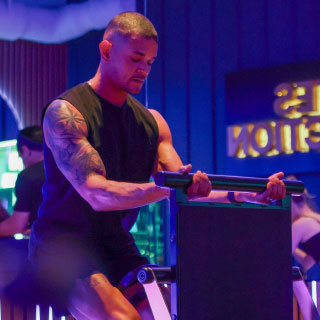
“We’ve combined the tried-and-true fundamentals – precision, focus, core strength – with the efficiency and intensity people expect today,” said Luna. “It’s part nightclub, part Pilates studio. The lighting, the music, the energy, all of it is designed to help people get lost in the workout and focus on themselves.”
Looking ahead, Luna believes the fitness landscape will continue to evolve toward multi-benefit, time-efficient formats, workouts that combine strength, cardio and mindfulness in one session.
“People are busier than ever,” she said. “They want variety without sacrificing results, and they want an experience that makes them feel good physically and mentally.”
The response has been swift. Since launching its West Hollywood, California, flagship in May of 2024, Pilates Addiction has sold 200-plus territories nationwide, outpacing early Club Pilates growth. Luna attributes that to timing and a clear value proposition.
“We’re entering the market at a moment when people want efficient, multi-benefit workouts that also give them community,” she said. “Pilates delivers strength, flexibility and mindfulness all in one, and our model makes it accessible.”
As wellness becomes both a personal and cultural priority, the fitness brands that thrive will be those that connect meaning with movement. For Pilates Addiction, that’s not an adjustment to a trend; it’s the foundation of the business.
Tamara Rahoumi