

For many aspiring entrepreneurs, the coffee industry has always felt like an expensive dream. Between real estate, buildout costs, equipment and staffing, the barriers to entry can add up quickly. That’s why Break Coffee Co. was built around a different premise entirely. By Tamara Rahoumi
For many aspiring entrepreneurs, the coffee industry has always felt like an expensive dream. Between real estate, buildout costs, equipment and staffing, the barriers to entry can add up quickly. That’s why Break Coffee Co. was built around a different premise entirely.
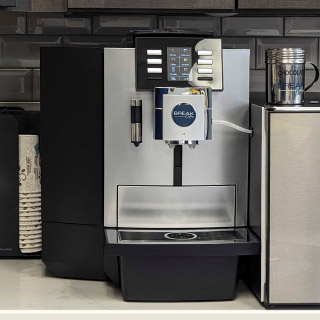
Founded in 2003 under the name Xpresso Delight, Break Coffee Co. has spent more than two decades carving out a corner of the coffee market that many brands overlook: the office. Rather than competing for foot traffic, the brand delivers premium coffee systems directly to workplaces, operating on a B2B, subscription-based model that generates recurring monthly revenue without many of the expenses that often sink food-service ventures. With a startup investment ranging from $97,500 to $141,000 – modest by franchise standards – the brand has positioned itself as an accessible franchise opportunity.
“Many prospective franchisees are seeking an affordable entry point into franchising with long-term growth potential,” said Anthony Spagnola, chief development officer. “The model appeals to motivated individuals looking for flexibility, scalability and recurring revenue without the complexity and overhead associated with cafés.”
The structure strips away almost every cost center that makes food-service franchising daunting: no storefront, no warehouse and no required employees. Franchisees operate from home, servicing client accounts and growing their territories during standard business hours, a rhythm that bears little resemblance to the early mornings and late nights of café ownership.
“Operating from a home office significantly reduces fixed expenses such as rent, utilities and storefront maintenance,” Spagnola said. “Combined with low staffing needs, franchisees are able to keep ongoing operating costs low. That efficiency can help accelerate the path toward breakeven and profitability compared to more labor-intensive franchise models.”
The lean structure helps contain costs, while state-of-the-art machines require only weekly servicing. This efficiency leaves franchisees with ample time to pursue other ventures or grow their client base. Meanwhile, the subscription model secures the business framework by generating predictable revenue month after month.
Offices are also a reliable, relationship-driven market, and once a client is in the fold, the revenue tends to stay. It’s a dynamic that rewards a particular kind of operator.
“Successful Break Coffee franchisees come from various professional backgrounds,” Spagnola said. “The common denominator is relationship-building ability and a strong customer-service mindset.”
That makes the opportunity especially well-suited for professionals transitioning out of corporate careers – people who already know how to work a room, manage accounts and keep clients happy but are ready to do it for themselves.
Prior coffee industry experience isn’t a prerequisite. A comprehensive two-day training program covers everything from sales and marketing to installation, service operations and technology. In addition, ongoing coaching from the corporate team ensures that support doesn’t stop once the doors open.
With more than 200 franchises sold internationally and a client roster that includes household names such as Ford, Lexus and Progressive, Break Coffee Co. has proven the concept at scale. It offers a mature, tested model without the premium typically expected with established concepts.
Tamara Rahoumi