

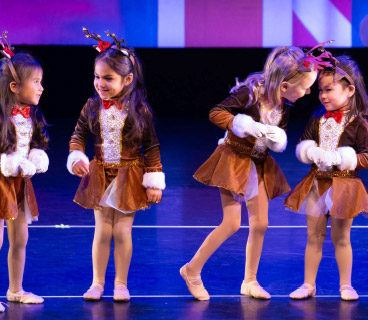
For many families, enrolling a young child in dance is a first step into structured extracurricular learning. For Twinkle Star Dance™ Academy, that moment represents something larger: an opportunity to shape how children experience learning itself. By Tamara Rahoumi
For many families, enrolling a young child in dance is a first step into structured extracurricular learning. For Twinkle Star Dance™ Academy, that moment represents something larger: an opportunity to shape how children experience learning itself.
“Most parents enroll thinking they’re signing up for dance,” Paul Henderson, chief operating officer and chief strategy officer, said. “What they experience is something closer to a research-informed early childhood enrichment program that happens to use movement as its language.”
Twinkle Star Dance Academy studios are designed around the reality that early childhood progress is nonlinear. Rather than prioritizing speed or uniform outcomes, the brand has built its model to support emotional regulation, resilience, confidence and engagement alongside dance. That philosophy shows up not only in the classroom but in how staff are trained and supported when challenges arise.
“Community looks like teachers and front-desk teams responding to children as individuals, not problems to be solved,” Henderson said.
What distinguishes Twinkle Star Dance Academy is that this approach is not left to intuition alone. The organization’s curriculum and training systems are informed by developmental science and ongoing research partnerships, shaping how instructors respond in real moments. This means that when issues surface, the goal isn’t quick correction but deeper support.
“We slow down, support the child and trust a process that is both compassionate and evidence-based,” Henderson said.
Behind that consistency is a proprietary infrastructure built exclusively for franchise owners. Through the company’s Dance Positive platform, it studies patterns in mood and engagement over time.
“We actually do quantify joy and confidence carefully and ethically,” Henderson noted, emphasizing that measurement is used to refine environments, not reduce children to numbers. That data is then paired with human observation. “Directors are trained to notice quieter indicators of thriving: quicker emotional recovery, increased willingness to participate and growing independence.”
That foundation is what makes franchising a natural extension of the brand’s mission. Local owners bring leadership and community connection, while centralized systems protect culture, curriculum integrity and developmental standards. For franchisees, the opportunity is not simply to operate a dance studio but to manage a thoughtfully designed platform – one built to grow with children, families and the communities it serves.
Tamara Rahoumi